

Healthy Habits for a Stronger Immune System: Tips for Boosting Your Health

Maddie Parker
Published Jul 19, 2026
Being healthy isn't all about pounds, inches, and cholesterol numbers. It also means taking steps to keep your immune system in tip-top shape. You can do this by eating the right foods, exercising, and practicing good hygiene. Here are a few tips for boosting your health:
Eat Your Vegetables
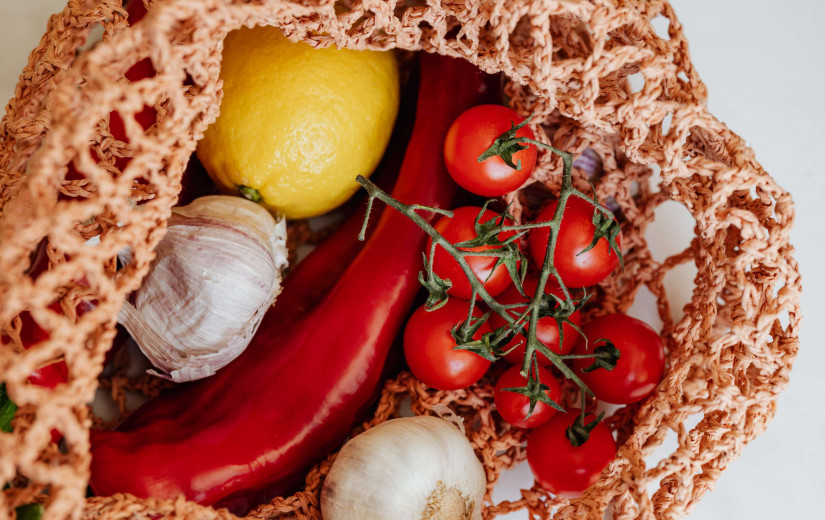
Eating fruits and vegetables will give your immune system the nutrients it needs to fight infections. Fruits like oranges are packed with vitamin C, while cruciferous vegetables like broccoli contain lots of antioxidants and minerals. Try to eat at least five servings of produce a day for optimal health.
Consider taking a daily multivitamin to ensure you're getting all the vitamins and minerals your body needs. Just remember to talk to your doctor first, as some supplements may interact with other medications.
If you're not a fan of eating your veggies, try blending them into smoothies or hiding them in dishes. You can also add leafy greens to sandwiches or egg scrambles for a nutrient-packed boost.
Get Enough Sleep
Adequate sleep is one of the most important things you can do to keep your immune system healthy. It helps your body produce the hormones needed to fight infections and illnesses, so aim for at least 7-8 hours of quality sleep each night. Try to go to bed and wake up at the same time each day and do something relaxing before bed, like reading or listening to calming music.
If you are having trouble sleeping, there are natural remedies you can try, like taking a warm bath or drinking chamomile tea. You could also try some progressive muscle relaxation or guided meditation to help you relax and get a better night's sleep.
Eat Well
Your diet can greatly impact your overall health and immunity, so make sure you're eating a balanced diet full of lean proteins, healthy fats, and complex carbohydrates. Avoid processed and sugary foods, as these can weaken your immune system. Eating your meals regularly throughout the day can also help ensure your body is getting enough nutrients.
On top of eating a healthy diet, make sure you are staying hydrated. Dehydration can weaken your body's ability to fight off infections, so aim for 8-10 glasses of water a day. You can also eat foods with high water content, like fruits and vegetables.
Finally, limit caffeine and alcohol, as both can reduce immunity. Opt for organic and low-alcohol options if you have to enjoy a glass of wine or beer.
Stay Active
Regular exercise is a great way to support your immune system by helping to keep your body weight in check, decreasing inflammation, and improving your circulation. Aim for at least 30 minutes of physical activity each day; you can even break it into shorter chunks of 10-15 minutes if that's easier to fit into your schedule. Ensure you're doing something active and getting your heart rate up for at least a few minutes daily.
Consider taking a walk in the park or trying yoga for an added boost. These activities can help reduce stress and anxiety, major immunity killers.
Practice Good Hygiene
Good hygiene is an important part of keeping your immune system strong. Ensure you wash your hands often with soap and water, especially after contacting others. You should also practice safe sneezing and coughing etiquette by covering your mouth with a tissue or the inside of your elbow and avoiding touching your nose, eyes, and mouth.
Since germs can also spread through surfaces, try to wipe down handrails or doorknobs with an antibacterial cleaner as often as possible.
Avoid Stress
Stress can majorly impact your immunity, so it's important to find ways to manage it. Try meditation, deep breathing, journaling, or talking to a friend. Exercise can also be a great way to reduce stress and boost your mood.
If you're feeling overwhelmed, don't be afraid to reach out and ask for help. Talking to a therapist or counselor can also help you learn how to manage stress better.
Be Kind to Yourself
It's easy to get caught up in the hustle and bustle of life, but don't forget to take some time for yourself. Make sure you schedule regular breaks throughout the day to relax and recharge. Get plenty of rest, listen to calming music, take a long bath, or read a book. Remember, taking care of your mind and body is essential for maintaining a strong immune system.
By implementing these healthy habits, you can help protect your body and give your immune system the boost it needs to fight off infections and illnesses. So start making positive changes today and watch your body and mind reap the rewards.
Popular Articles




Weekly newsletter
Receive the latest releases and exclusive articles straight to your inbox every week.
Recent Articles
View all posts
Fueling Your Fitness: Can You Buy Creatine with EBT?...
There comes a point in life when we finally decide to get healthier and build muscle. However, it's often a struggle to find food to help you gain at a friendly price. Nutrition matters for muscle building, and ...

Good News for Grocery Budgets: SNAP Benefits Are Increasing on October 1...
Starting October 1, 2026, maximum monthly allotments for the Supplemental Nutrition Assistance Program (SNAP) will increase. This annual adjustment is designed to help your food budget keep up wi...

Your September 2026 SNAP Recertification Guide: How to Keep Your Food Benefits...
If your SNAP (food stamp) benefits are set to expire in September, you need to renew them—a process called recertification. Recertification is simply a periodic check-in required by...

Florida SNAP Benefits Schedule & Amounts for September 2026...
Navigating food assistance schedules can feel confusing, but getting your benefits on time shouldn't be a guessing game. Florida distributes Supplemental Nutrition Assistance Program (SNAP) funds across t...

What is the SNAP Employment and Training Program?...
Exploring and understanding the government assistance programs can feel complex, but the SNAP Employment and Training (E&T) Program is here to help you build a stronger financial future. If you already receive Supp...

Troubleshooting EBT Card Issues During Online Purchases...
If your EBT card is being declined when trying to buy SNAP-eligible groceries online, your state likely has automatic security settings turned on to prevent fraud and theft. Several states—such as Alabama, ...